English: Johannes Brahms (1833–1897), German c...
English: Johannes Brahms (1833–1897), German composer, 1889 (Photo credit: Wikipedia)

Psalm 69:29; Exodus 34:6-7 [German]

29 But I am poor and sorrowful: let thy salvation, O God, set me up on high.

6 And the Lord passed by before him, and proclaimed, The Lord, The Lord God, merciful and gracious, longsuffering, and abundant in goodness and truth,

7 Keeping mercy for thousands, forgiving iniquity and transgression and sin, and that will by no means clear the guilty; visiting the iniquity of the fathers upon the children, and upon the children’s children, unto the third and to the fourth generation.

—

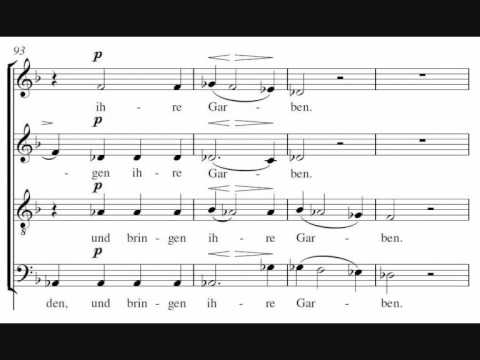
Ich aber bin elend (composed 1889) Op. 110, No. 1, from Drei Motetten, Op. 110 [Three Motets], composed by Johannes Brahms (1833-1897)

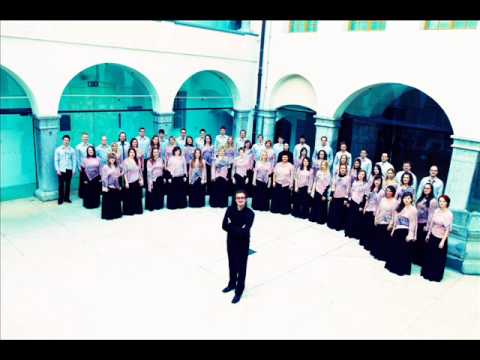
ICH ABER BIN ELEND - Johannes Brahms | APZ Tone Tomšič UL

Performed by Academic Choir Tone Tomsic University
Conductor / conductor: Sebastian Vrhovnik

BUY MP3/ALBUM

MP3: Drei Motetten, Op. 110: No. 1, Ich aber bin elend

SHEET MUSIC

Edited by Gunter Graulich. German title: Ich aber bin elend (2). Sacred, Motets; Occasions: Peace and Justice, Psalms, Mourning, Death; Use during church year: Holy Week. Full score. Composed 1889. 8 pages. Published by Carus Verlag (CA.4012310). ISBN M-007-06246-0. Sacred, Motets; Occasions: Peace and Justice, Psalms, Mourning, Death; Use during church year: Holy Week.

FREE SHEET MUSIC

Choral Public Domain Library


Brahms in 1853
Brahms in 1853 (Photo credit: Wikipedia)

Psalm 13:1-6 [German]

1 How long wilt thou forget me, O Lord? for ever? how long wilt thou hide thy face from me?

2 How long shall I take counsel in my soul, having sorrow in my heart daily? how long shall mine enemy be exalted over me?

3 Consider and hear me, O Lord my God: lighten mine eyes, lest I sleep the sleep of death;

4 Lest mine enemy say, I have prevailed against him; and those that trouble me rejoice when I am moved.

5 But I have trusted in thy mercy; my heart shall rejoice in thy salvation.

6 I will sing unto the Lord, because he hath dealt bountifully with me.

—

Herr, wie lange willst du mein so gar vergessen for female voices, Op. 27, composed by Johannes Brahms (1833-1897). First performed, with Brahms conducting, in St Peter’s Church, Hamburg, on 19 September 1859; published 1864. Additional information here.

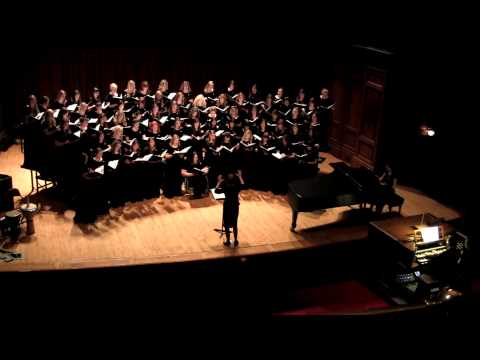
Psalm 13, "Herr, wie lange willst du mein so gar vergessen", op. 27

Performed by the University of Illinois’ Women’s Glee Club
Directed by Dr. Andrea Solya
Chris Holman, Organ

BUY MP3/ALBUM

MP3: Psalm 13 ‘Herr, wie lange’, Op. 27 / Chamber Choir of Europe & Nicol Matt / Brahms: Choral Works / Brilliant Classics

SHEET MUSIC

Psalm 13 (Lord, how long wilt thou forget me and forsake me?). Composed by Johannes Brahms (1833-1897). Edited by Gunter Graulich. For Strings version: SSA Choir, 2 Violins, Viola, Cello, Contrabass. G-Moll (G minor). German title: Der 13.Psalm. Psalms, German; Psalms. Level 2. Part: cello/double bass. Language: German/English. Composed 1859. Op. 27. 4 pages. Duration 5 minutes. Published by Carus Verlag (CA.4018214).

FREE SHEET MUSIC

Choral Public Domain Library

English: Johannes Brahms (1833-1897), german c...
English: Johannes Brahms (1833-1897), german composer Deutsch: Johannes Brahms (1833-1897), deutscher Komponist (Photo credit: Wikipedia)

From the first motet, “Warum ist das Licht gegeben den Mühseligen,” which includes Job 3:20-23; Lamentations 3:41; James 5:11 [German]

20 Wherefore is light given to him that is in misery, and life unto the bitter in soul;

21 Which long for death, but it cometh not; and dig for it more than for hid treasures;

22 Which rejoice exceedingly, and are glad, when they can find the grave?

23 Why is light given to a man whose way is hid, and whom God hath hedged in?

41 Let us lift up our heart with our hands unto God in the heavens.

11 Behold, we count them happy which endure. Ye have heard of the patience of Job, and have seen the end of the Lord; that the Lord is very pitiful, and of tender mercy.

—

Zwei Motetten, Op. 74 (1877 for the first motet, which uses Biblical texts), by Johannes Brahms (1833-1897)

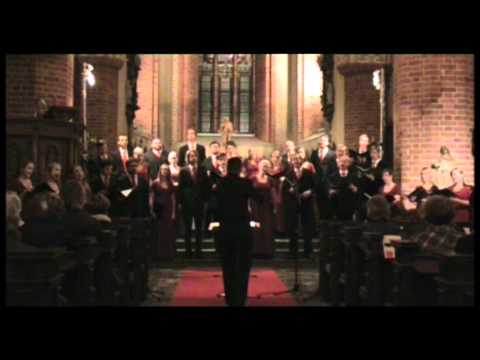
Zwei Motetten by Johannes Brahms - Sofia Vokalensemble

Performed by Sofia Vokalensemble

BUY MP3/ALBUM

MP3: Zwei Motetten für gemischten Chor, op. 74: I. Warum ist das Licht gegeben den Mühseligen? / Johannes Brahms / Bella Musica Edition

SHEET MUSIC

Warum ist das Licht gegeben (aus: Zwei Motetten). By Johannes Brahms (1833-1897). Edited by Gunter Graulich. For SSATBB Choir. D-Moll (D minor). German title: Warum ist das Licht gegeben. Sacred, Chamber Choir – Recommended by Frieder Bernius; Occasions: Mourning, Death. Level 3. Full score. Language: German. Op. 74, No. 1. 8 pages. Duration 7 minutes. Published by Carus Verlag (CA.4012010).

FREE SHEET MUSIC

Petrucci Music Library

Choral Public Domain Library

Enhanced by Zemanta


English: Johannes Brahms (1833–1897), German c...
English: Johannes Brahms (1833–1897), German composer, 1889 (Photo credit: Wikipedia)

Revelation 14:13 [German]

13 And I heard a voice from heaven saying unto me, Write, Blessed are the dead which die in the Lord from henceforth: Yea, saith the Spirit, that they may rest from their labours; and their works do follow them.

—

Selig sind die Toten (1866) from Ein deutsches Requiem, nach Worten der heiligen Schrift [A German Requiem, To Words of the Holy Scriptures] Op. 45, by Johannes Brahms (1833-1897)


Performed by KammerChor Hofheim, Monteverdichor Budapest

BUY MP3/ALBUM

MP3: Selig Sind Die Toten / Berliner Philharmoniker, Sir Simon Rattle

SHEET MUSIC

For soprano voice solo, baritone voice solo, SATB choir and piano accompaniment. Op. 45 (Text Language: German). 96 pages. Duration circa 70 minutes. Published by Edition Peters

FREE SHEET MUSIC

Choral Public Domain Library

Enhanced by Zemanta


English: Johannes Brahms (1833–1897), German c...
English: Johannes Brahms (1833–1897), German composer, 1889 (Photo credit: Wikipedia)

Hebrews 13:14; 1 Corinthians 15:51-52,54-55; Revelation 4:11 [German]

14 For here have we no continuing city, but we seek one to come.

51 Behold, I shew you a mystery; We shall not all sleep, but we shall all be changed,

52 In a moment, in the twinkling of an eye, at the last trump: for the trumpet shall sound, and the dead shall be raised incorruptible, and we shall be changed.

54 So when this corruptible shall have put on incorruption, and this mortal shall have put on immortality, then shall be brought to pass the saying that is written, Death is swallowed up in victory.

55 O death, where is thy sting? O grave, where is thy victory?

11 Thou art worthy, O Lord, to receive glory and honour and power: for thou hast created all things, and for thy pleasure they are and were created.

—

Denn wir haben hie keine bleibende Stadt (1866) from Ein deutsches Requiem, nach Worten der heiligen Schrift [A German Requiem, To Words of the Holy Scriptures] Op. 45, by Johannes Brahms (1833-1897)

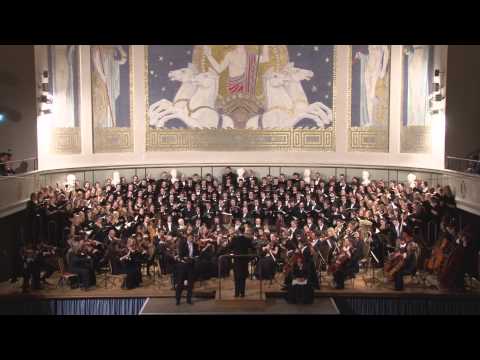
Brahms - Ein deutsches Requiem - 6 - Denn wir haben hie... (UniversitätsChor München)

Performed by UniversitätsChor München, Collegium Musicum München

BUY MP3/ALBUM

MP3: Denn wir haben hie keine bleibende Stadt / Berliner Philharmoniker, Sir Simon Rattl

SHEET MUSIC

For soprano voice solo, baritone voice solo, SATB choir and piano accompaniment. Op. 45 (Text Language: German). 96 pages. Duration circa 70 minutes. Published by Edition Peters

FREE SHEET MUSIC

Choral Public Domain Library


English: Johannes Brahms (1833–1897), German c...
English: Johannes Brahms (1833–1897), German composer, 1889 (Photo credit: Wikipedia)

John 16:22; Isaiah 66:13 [German]

22 And ye now therefore have sorrow: but I will see you again, and your heart shall rejoice, and your joy no man taketh from you.

13 As one whom his mother comforteth, so will I comfort you; and ye shall be comforted in Jerusalem.

—

Ihr habt nun Traurigkeit (1866) from Ein deutsches Requiem, nach Worten der heiligen Schrift [A German Requiem, To Words of the Holy Scriptures] Op. 45, by Johannes Brahms (1833-1897)


Performed by KammerChor Hofheim, Monteverdichor Budapest

BUY MP3/ALBUM

MP3: Ihr habt nun Traurigkeit / Berliner Philharmoniker, Sir Simon Rattle

SHEET MUSIC

For soprano voice solo, baritone voice solo, SATB choir and piano accompaniment. Op. 45 (Text Language: German). 96 pages. Duration circa 70 minutes. Published by Edition Peters

FREE SHEET MUSIC

Choral Public Domain Library

Enhanced by Zemanta

English: Johannes Brahms (1833–1897), German c...
English: Johannes Brahms (1833–1897), German composer, 1889 (Photo credit: Wikipedia)

Psalm 84:1-2,4 [German]

1 How amiable are thy tabernacles, O Lord of hosts!

2 My soul longeth, yea, even fainteth for the courts of the Lord: my heart and my flesh crieth out for the living God.

4 Blessed are they that dwell in thy house: they will be still praising thee. Selah.

—

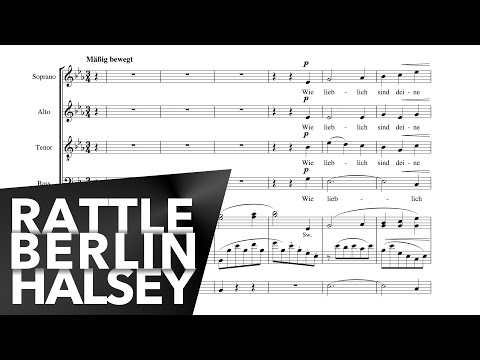
Wie lieblich sind deine Wohnungen (1865) from Ein deutsches Requiem, nach Worten der heiligen Schrift [A German Requiem, To Words of the Holy Scriptures] Op. 45, by Johannes Brahms (1833-1897)

Brahms Requiem - Wie lieblich sind deine Wohnungen - Berlin Philharmonic. Rattle

Performed by Berlin Philharmoniker and Simon Halsey Chorus Master of the Rundfunkchor Berlin

SHEET MUSIC

For soprano voice solo, baritone voice solo, SATB choir and piano accompaniment. Op. 45 (Text Language: German). 96 pages. Duration circa 70 minutes. Published by Edition Peters

FREE SHEET MUSIC

Choral Public Domain Library


English: Johannes Brahms (1833–1897), German c...
English: Johannes Brahms (1833–1897), German composer, 1889 (Photo credit: Wikipedia)

Psalm 39:4-7 [German]

4 Lord, make me to know mine end, and the measure of my days, what it is: that I may know how frail I am.

5 Behold, thou hast made my days as an handbreadth; and mine age is as nothing before thee: verily every man at his best state is altogether vanity. Selah.

6 Surely every man walketh in a vain shew: surely they are disquieted in vain: he heapeth up riches, and knoweth not who shall gather them.

7 And now, Lord, what wait I for? my hope is in thee.

—

Herr, lehre doch mich (1866) from Ein deutsches Requiem, nach Worten der heiligen Schrift [A German Requiem, To Words of the Holy Scriptures] Op. 45, by Johannes Brahms (1833-1897)


Performed by KammerChor Hofheim, Monteverdichor Budapest

BUY MP3/ALBUM

MP3: Herr, Lehre Doch Mich / Berliner Philharmoniker, Sir Simon Rattle

SHEET MUSIC

For soprano voice solo, baritone voice solo, SATB choir and piano accompaniment. Op. 45 (Text Language: German). 96 pages. Duration circa 70 minutes. Published by Edition Peters

FREE SHEET MUSIC

Choral Public Domain Library

Enhanced by Zemanta


English: Johannes Brahms (1833–1897), German c...
English: Johannes Brahms (1833–1897), German composer, 1889 (Photo credit: Wikipedia)

Matthew 5:4; Psalm 126:5-6 [German]

4 Blessed are they that mourn: for they shall be comforted.

5 They that sow in tears shall reap in joy.

6 He that goeth forth and weepeth, bearing precious seed, shall doubtless come again with rejoicing, bringing his sheaves with him.

—

Selig sind, die da Leid tragen (1865) from Ein deutsches Requiem, nach Worten der heiligen Schrift [A German Requiem, To Words of the Holy Scriptures] Op. 45, by Johannes Brahms (1833-1897)

Selig Sind, Die Da Leid Tragen - Brahms

Performed by Slovak Philharmonic Chorus, Slovak Radio Symphony Orchestra

MP3: Selig sind, die da Leid tragen / Berliner Philharmoniker, Sir Simon Rattle

SHEET MUSIC

For soprano voice solo, baritone voice solo, SATB choir and piano accompaniment. Op. 45 (Text Language: German). 96 pages. Duration circa 70 minutes. Published by Edition Peters

FREE SHEET MUSIC

Choral Public Domain Library

Enhanced by Zemanta


Johannes Brahms (1833–1897), German composer, 1889
Johannes Brahms (1833–1897), German composer, 1889 (Photo credit: Wikipedia)

1 Peter 1:24; James 5:7; 1 Peter 1:25; Isaiah 35:10 [Luther Bibel]

24 For all flesh is as grass, and all the glory of man as the flower of grass. The grass withereth, and the flower thereof falleth away:

7 Be patient therefore, brethren, unto the coming of the Lord. Behold, the husbandman waiteth for the precious fruit of the earth, and hath long patience for it, until he receive the early and latter rain.

25 But the word of the Lord endureth for ever. And this is the word which by the gospel is preached unto you.

10 And the ransomed of the LORD shall return, and come to Zion with songs and everlasting joy upon their heads: they shall obtain joy and gladness, and sorrow and sighing shall flee away.

—

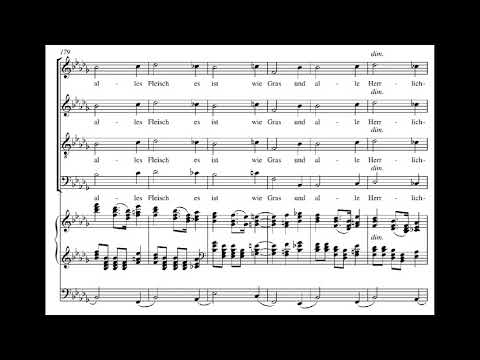
Denn alles fleisch es ist wie gras (1865-1868) from Ein deutsches Requiem, nach Worten der heiligen Schrift [A German Requiem, To Words of the Holy Scriptures] Op. 45, by Johannes Brahms (1833-1897)

Brahms: Ein deutsches Requiem - 2. Denn alles Fleisch - Harnoncourt

Performed by Arnold Schönberg Chor, Wiener Philharmoniker, conducted by Nikolaus Harnoncourt

SHEET MUSIC

For soprano voice solo, baritone voice solo, SATB choir and piano accompaniment. Op. 45 (Text Language: German). 96 pages. Duration circa 70 minutes. Published by Edition Peters

FREE SHEET MUSIC

Choral Public Domain Library